Working from home has become a common part of many people’s daily lives. Creating a productive home office environment can help you stay focused, manage your time better, and separate work from personal life. Here are some useful tips to transform your home workspace into a place where you can work efficiently and comfortably.
Choose the Right Location
Start by selecting a dedicated space for your home office. Ideally, this should be a quiet area away from heavy foot traffic and distractions like the television or kitchen. If possible, use a separate room so you can close the door and clearly signal when work time is on.
If space is limited, a corner or nook with enough room for all your essentials can work well. Ensure that your chosen spot gets enough natural light and has good ventilation. Natural light can improve your mood and reduce eye strain, while fresh air helps you stay alert.
Invest in Ergonomic Furniture
Comfort is key when setting up a home office. Invest in an ergonomic chair that supports your back and promotes good posture. Your desk should be at a height that allows your arms to rest comfortably while typing or writing.
Adjust your monitor so the top of the screen is at or just below eye level to reduce neck strain. Consider a desk with enough surface area to accommodate your computer, documents, and other tools without clutter.
Keep Your Workspace Organized
A tidy desk makes it easier to focus and find what you need quickly. Use organizers, shelves, or filing cabinets to store papers, office supplies, and gadgets. Regularly declutter your workspace by removing items you don’t use daily.
Digital organization is also important. Create clear folders on your computer and use task management apps to keep track of your projects and deadlines.
Minimize Distractions
Distractions can reduce your productivity significantly. Try to limit interruptions by informing family members or roommates about your work hours. Use noise-cancelling headphones or play background music if it helps you concentrate.
Turn off non-essential notifications on your phone or computer during work hours. Designate specific times to check emails and messages instead of constantly monitoring them.
Use Proper Lighting
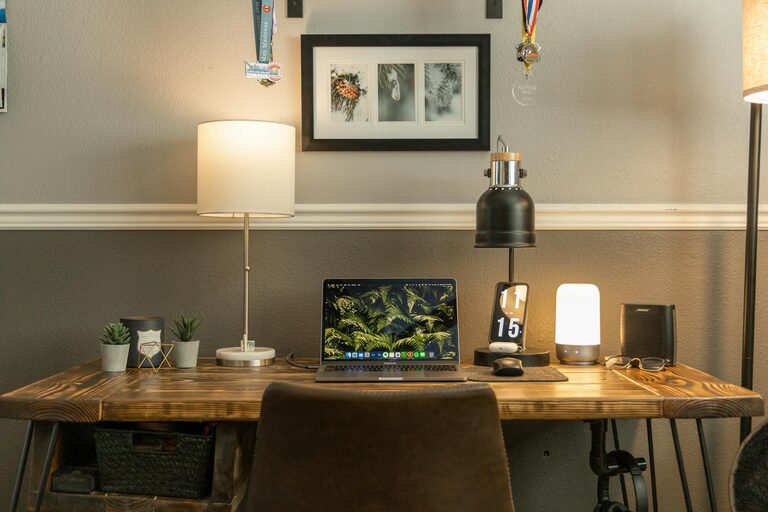
Good lighting is essential to reduce eye strain and keep you alert. In addition to natural light, have a desk lamp with adjustable brightness. Use warm or neutral white light bulbs that are easy on the eyes.
Avoid glare on your screen by positioning your monitor perpendicular to windows. If needed, use blinds or curtains to control the amount of sunlight entering the room.
Personalize Your Space
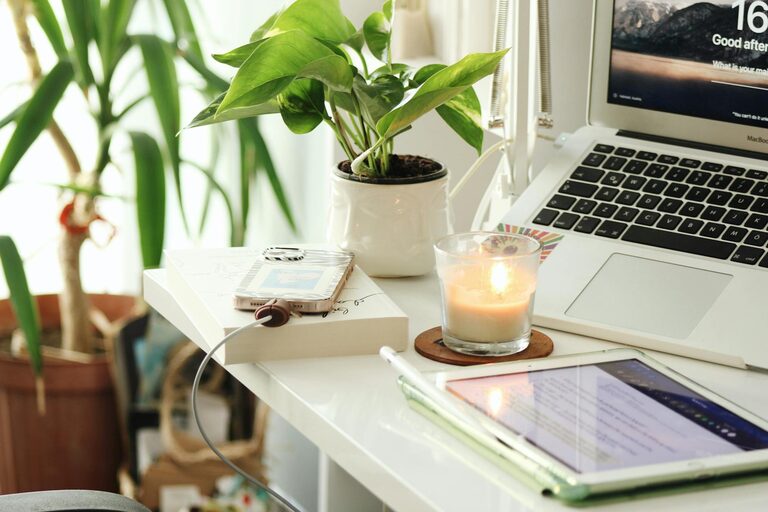
Adding some personal touches to your office can make it a more inviting and comfortable place to work. Decorate with plants, artwork, or photos that inspire or calm you. Plants also improve air quality, which is a nice bonus.
Be careful not to overdecorate, as too many items can create visual distractions. Choose meaningful and simple decorations to strike the right balance.
Establish a Routine
Having a consistent daily routine helps your mind get into work mode. Start your day at the same time, dress as if you are going to the office, and take regular breaks. Short breaks to stretch or walk around can refresh your focus and reduce fatigue.
Set clear working hours and stick to them so you can maintain a healthy work-life balance. End your day by tidying your desk and planning tasks for the next day.
Use Technology Wisely
Take advantage of technology to improve your productivity. Reliable internet, a good-quality webcam and microphone, and efficient software can make remote meetings and collaboration smoother.
Learn keyboard shortcuts, automate repetitive tasks, and use apps tailored to your workflow. However, remember to disconnect and avoid digital overload to prevent burnout.
Maintain Good Air Quality and Temperature
Comfortable room temperature and fresh air support concentration and well-being. Use a fan, air purifier, or heater as needed to keep the room temperature comfortable, usually between 20–22°C (68–72°F).
Open windows regularly to circulate fresh air if possible, which helps reduce fatigue and keeps you alert throughout the workday.
—
Creating a productive home office environment doesn’t require a large budget or complicated changes. By choosing the right location, investing in comfort, organizing your space, and setting good habits, you can enjoy a workspace that enhances your focus and efficiency. With these tips, you’ll be ready to work productively and maintain a healthy balance between work and home life.